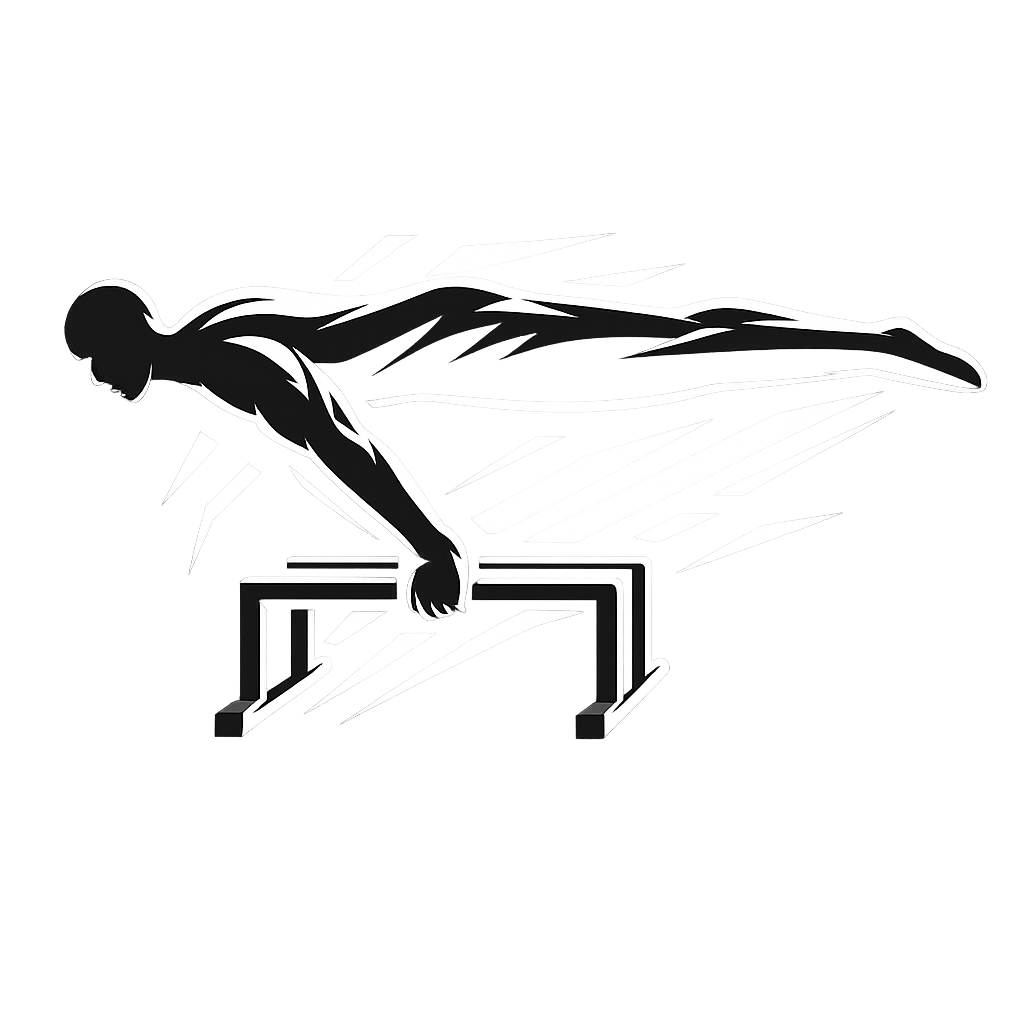
The front lever is a straight-arm pulling skill where you hold your body horizontal while hanging from a bar or rings. It demands serious lat strength, core control, scapular depression, and total-body tension.
Most people fail at the front lever because they skip progressions or rely on momentum instead of strength. This guide breaks down every progression step-by-step, explains exact form cues, and highlights common mistakes so you can train it correctly.
Warm-Up (Do This Every Session)
Front lever training stresses the elbows, shoulders, and lats heavily. A proper warm-up protects your joints and improves activation.
1. General Blood Flow (3–5 minutes)
- Light cardio (jump rope or brisk movement)
- Arm circles forward and backward
- Shoulder rolls
2. Scapular Activation
Scapular Pull-Ups – 2×10: Hang from the bar with straight arms. Without bending elbows, pull your shoulders down (depress scapula) and slightly back.
Cues: “Long neck”, “Push shoulders down away from ears”, Keep elbows locked.
3. Core Activation
Hollow Body Hold – 2×20 seconds: Press lower back into the floor, lift legs and shoulders slightly.
Cues: Lower back glued to floor, Ribs down, Tight glutes.
Front Lever Progression (In Order)
Do not skip steps. Move forward only when you can hold 3 sets of 8–10 seconds with clean form.
Pike Compressions: Builds hip flexor and lower ab strength.
Toes to Bar: Strengthens lats and teaches active shoulder engagement.
Knees to chest, rounded upper back, hips level with shoulders.
Cues: “Pull bar to hips”, Depress scapula hard, Posterior pelvic tilt.
Common Mistakes: Letting hips drop, bending arms.
Back becomes flatter. Knees move 6–12 inches away from chest.
Cues: Back parallel to ground, Squeeze glutes, Arms locked.
Start inverted. Lower slowly to lever position, then pull back to inverted. Builds dynamic control.
Cues: Slow negative (3 seconds down), Maintain straight arms.
One leg straight, one tucked. Introduces near-full extension tension.
Mistake: Twisting hips or letting the straight leg drop.
Legs straight and apart. Wider straddle makes the lever easier.
Cues: Legs fully locked, Toes pointed, Flat back.
Body straight from shoulders to toes. Arms locked, scapula depressed.
Cues: “Pull bar to hips”, “Squeeze everything”.
Programming & Injury Prevention
Train front lever 2–3 times per week. Quality matters more than hold time. If your form breaks, stop the set immediately to avoid "elbow flare" or bicep tendonitis.
FAQ: Front Lever Mastery
1. Why does my lower back arch during the hold?This usually indicates a weak core or lack of "Hollow Body" awareness. Focus on Posterior Pelvic Tilt (tucking your tailbone) and squeezing your glutes to flatten the spine.
2. Is it better to train on a bar or rings?The bar is generally easier for beginners because it's stable. Rings require more stabilization from the shoulders but allow for a more natural grip (neutral) which can be easier on the wrists and elbows.
3. My elbows hurt when I hold the lever. What should I do?This is likely distal biceps tendon strain. Stop training the lever for a few days. When you return, reduce the intensity (regress to Tuck) and ensure you are warming up your elbows with light curls or band work.
4. Should my back be perfectly flat or rounded?For a Full Front Lever, the goal is a flat, neutral spine. However, in the Tuck versions, a slight rounding of the upper back (protraction) is common as you learn to engage the lats and serratus.
5. Can I use resistance bands to help?Yes, looping a band around the bar and under your hips is a great way to practice the "Full" position before you are strong enough. Just make sure the band isn't doing 100% of the work.
6. How long does it take to learn the Front Lever?For most people with a solid pulling base (15+ pull-ups), it takes 6 to 12 months of specific training. Taller or heavier athletes may take longer due to the increased leverage.
7. Why can I do a Straddle but not a Full Lever?The Full Lever moves your center of mass further away from the bar, increasing the "torque" on your lats and shoulders. The jump from Straddle to Full is one of the hardest gaps to bridge in calisthenics.
8. Does training the Front Lever help with Pull-Ups?Absolutely. The straight-arm pulling strength carries over significantly to your initial pull-off-the-floor in weighted pull-ups and muscle-ups.
Check Your Pulling Power
Compare your 1RM Pull-up strength to elite standards.
1 REP MAX CALCULATOR